In our fast-paced lives, the home is more than just a place to live; it’s our sanctuary, our refuge from the constant demands of the world. Yet, for many, that sanctuary is compromised by a silent but persistent intruder: clutter. The overflowing junk drawer, the chaotic closet, the stacks of paper on the kitchen counter—these aren’t just minor inconveniences. They are sources of stress, anxiety, and mental fatigue. They steal our time and energy, making it harder to relax and enjoy the very space we call our own.
The quest for a tidy home isn’t a fleeting trend; it’s a fundamental human need for order and control. People are seeking ways to create a living environment that is not only beautiful but also functional and peaceful. This guide is for anyone who has ever felt overwhelmed by their belongings and is ready to take back their space, their time, and their peace of mind. We’ll move beyond the superficial act of tidying up and delve into a timeless philosophy of organization, offering actionable strategies that will help you create a home that truly works for you, not against you.
The Mindset Shift: From Decluttering to Intentional Living
Before you even touch a single item, the most important step is to shift your mindset. The goal isn’t simply to get rid of stuff. The goal is to make intentional choices about what you want to keep. This subtle but profound change reframes the entire process. Instead of asking, “What should I get rid of?” ask yourself, “What do I want to keep because it adds value, joy, or purpose to my life?”
This approach turns a daunting chore into an empowering act of curation. You become the curator of your own life, carefully selecting the items that support the lifestyle you want to live. This isn’t about being a minimalist, unless you want to be. It’s about being deliberate. When you handle an item, truly consider its purpose. Does it serve a function? Does it bring you joy? Does it represent a meaningful memory? If the answer is no, it might be time to let it go. This intentional mindset is the foundation of a truly organized and peaceful home.
The Golden Rules of an Organized Home
Creating a system that lasts requires a few core principles. These are not trendy hacks but timeless rules that you can apply to any space in your home, regardless of its size or your personal style.
Rule 1: Start Small, Think Big. The biggest mistake people make is trying to organize an entire house in a single weekend. This leads to burnout and a bigger mess. Instead, start with a small, contained area—a single drawer, a shelf in a closet, or a corner of a room. Completing this small task gives you a sense of accomplishment and momentum. As you conquer one small area, the confidence to tackle a bigger space will grow.
Rule 2: Everything Has a Home. This is the most fundamental rule of all. Every single item in your home must have a designated place to live. If an item doesn’t have a home, it becomes “homeless” and contributes to clutter. Once you’ve decided what you’re keeping, create a logical home for each item. When you’re done using it, put it back in its home. This simple habit is the key to maintaining a tidy space.
Rule 3: Use Vertical Space. Most people focus on the floor and eye-level surfaces, but they neglect the most underutilized real estate in their home: the vertical space. Install shelves, use stackable containers, or add over-the-door organizers. This frees up valuable floor and counter space, making rooms feel larger and more open.
Rule 4: The “One In, One Out” Rule. This rule is a simple but powerful maintenance strategy. For every new item that comes into your home, one old item must go out. This prevents clutter from accumulating over time. Did you buy a new sweater? Donate an old one. Did you bring home a new book? Find one to pass on to a friend. This practice keeps your belongings in a steady balance.
A Practical, Room-by-Room Approach
While the principles are universal, how you apply them can vary by room. Here’s a quick guide to tackling common problem areas.
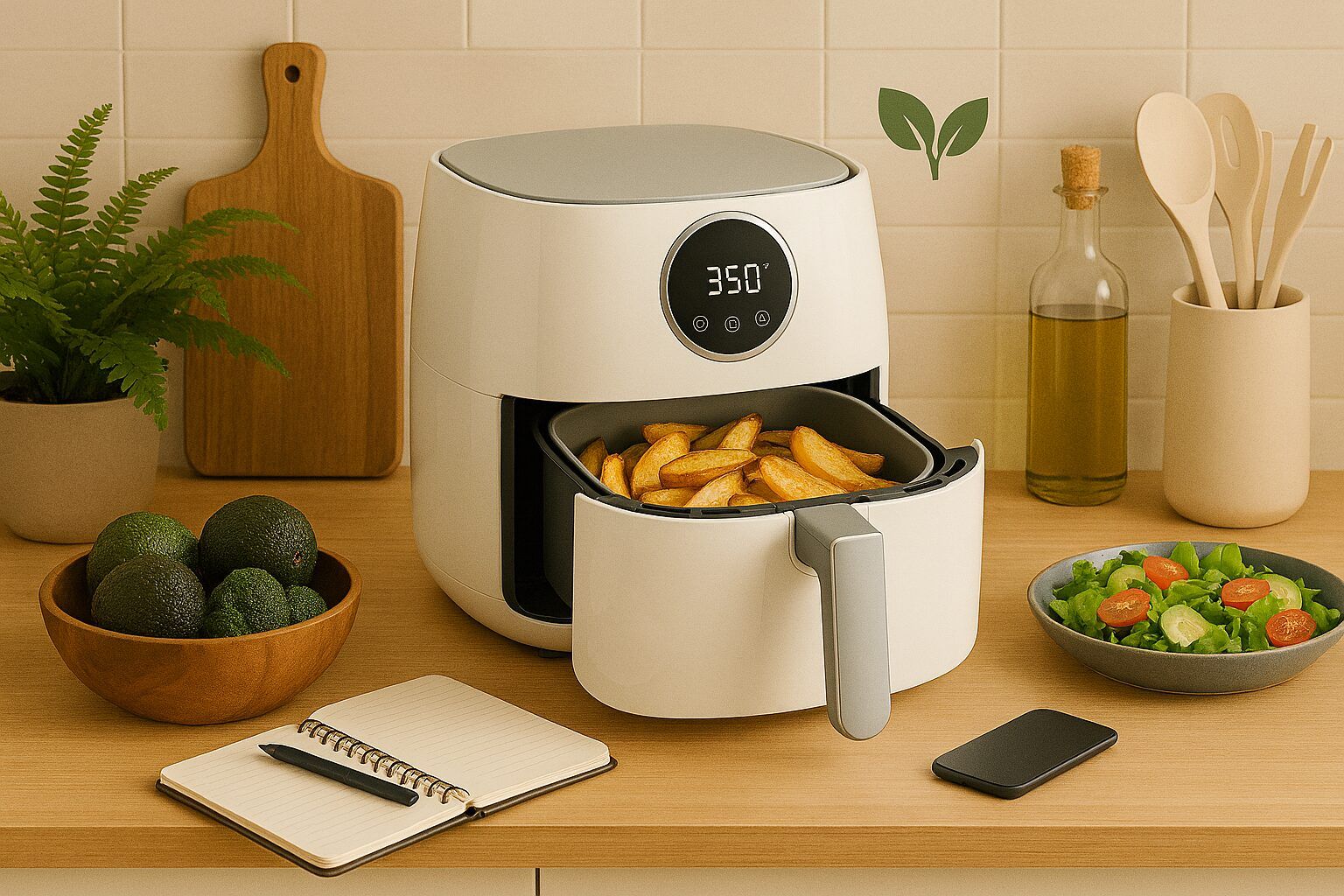
The Kitchen: The Heart of the Home, and Often the Hub of Clutter. Focus on the countertops first. Clear them of anything that isn’t used daily. Utensils, small appliances, and spices should be stored in drawers or cupboards. Organize your pantry by category: breakfast foods, snacks, baking supplies. Use clear containers to store dry goods; this not only looks great but also helps you see exactly what you have, preventing duplicate purchases.
The Bedroom: Creating a Peaceful Retreat. The bedroom should be a place of rest and relaxation. Start with your closet. If you haven’t worn something in a year, it’s a strong candidate for donation. Use matching hangers to create a uniform, visually calm look. Organize clothes by type and color. For nightstands, keep the surface clear, with only a few essential items like a lamp and a book. This promotes a feeling of serenity and helps you wind down before bed.
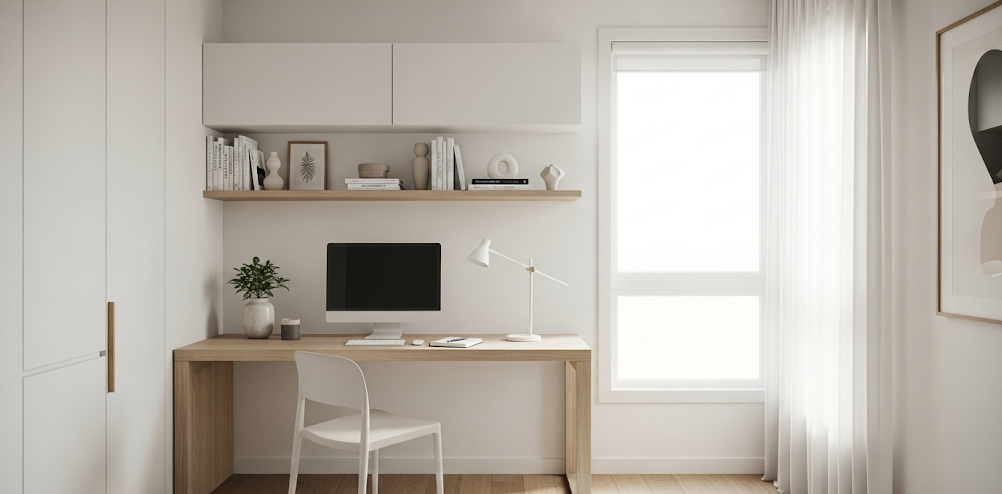
The Home Office: Conquering the Paper Storm. Even in a digital age, paper clutter can be a major source of stress. Invest in a simple filing system for important documents. For everything else, a simple scanner and a “shred” pile can be your best friends. Keep your desk surface clear, with only your computer and a few key tools visible. A tidy workspace leads to a tidy mind and can significantly boost your focus and productivity.
The Secret to Staying Organized: It’s a Habit, Not a Project
The biggest misconception about organization is that it’s a one-time project. In reality, it’s a continuous habit. The key to staying organized isn’t a perfectly curated home—it’s the daily and weekly rituals that prevent clutter from taking over. Spend ten minutes a day putting things back in their place. At the end of each day, do a quick “reset” of your living spaces. When you enter a room, do a mental scan and put away anything that’s out of place.
The journey to an organized home is less about having a perfect space and more about having a system that supports your life. When your home is in order, you can spend less time searching for lost keys and more time on the things that truly matter—spending time with family, pursuing a hobby, or simply relaxing. By embracing these timeless principles, you can transform your home from a source of stress into a true sanctuary that empowers you to live your best life.