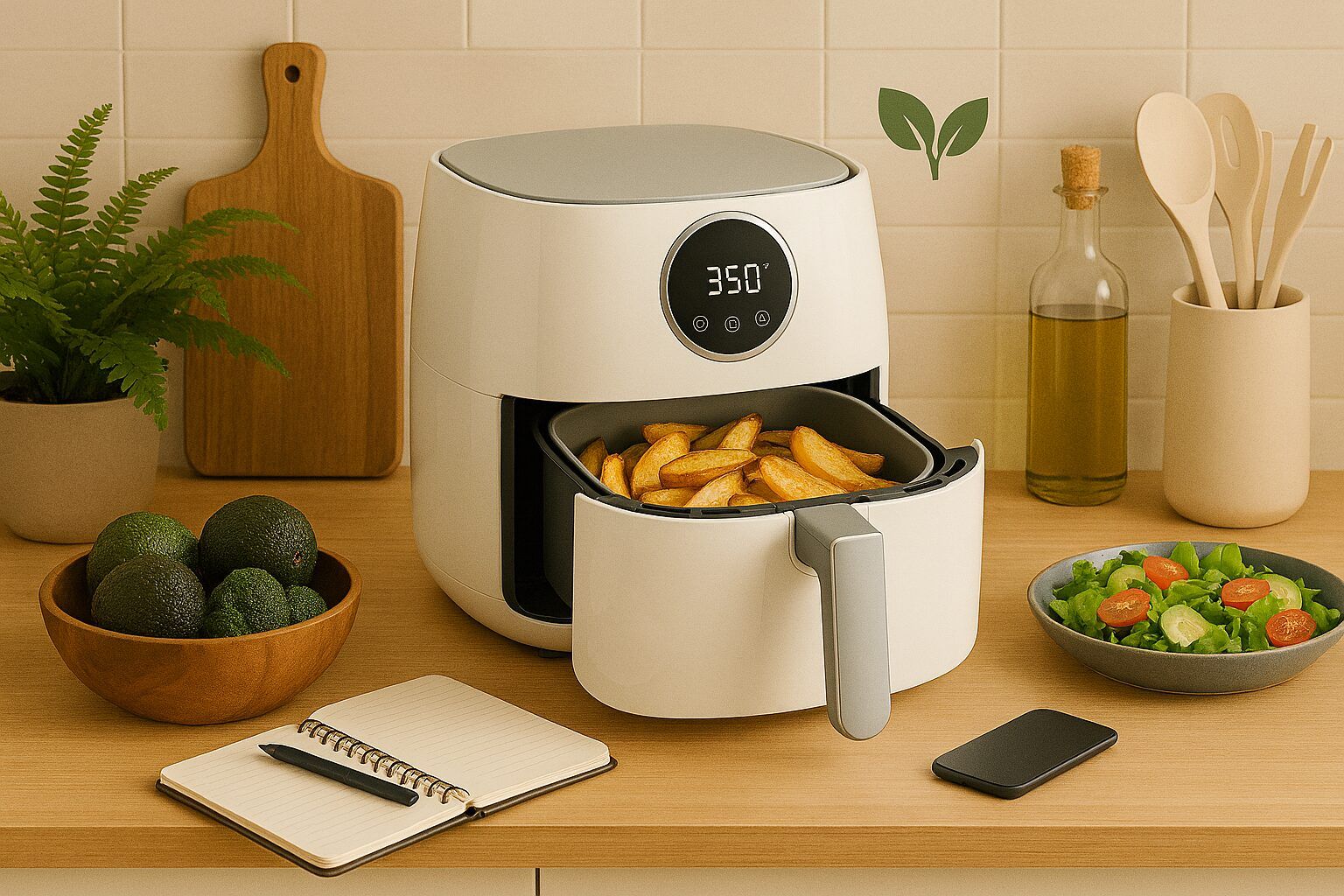
Air fryers have become a staple in modern kitchens, offering crispy textures with less oil and faster cooking times. But as health awareness grows, so does concern over what’s inside the appliance—not just the food. Enter the non-toxic air fryer: a safer, smarter alternative designed to minimize exposure to harmful chemicals like PFOA, PTFE, and BPA.
🧠 What Does “Non-Toxic” Mean in Kitchen Appliances?
Traditional air fryers often use non-stick coatings that contain:
- PFOA (Perfluorooctanoic acid): Linked to health risks and banned in many countries
- PTFE (Polytetrafluoroethylene): Known as Teflon; can release toxic fumes at high temperatures
- BPA (Bisphenol A): Found in plastics; associated with hormonal disruption
Non-toxic air fryers avoid these materials, using ceramic, stainless steel, or BPA-free plastic instead.
🔍 Why Non-Toxic Air Fryers Are Trending
- Health-conscious consumers: More people are scrutinizing what touches their food
- Eco-friendly design: Safer materials often mean better recyclability
- Longer lifespan: Ceramic and steel components resist wear and flaking
- TikTok & wellness influencers: Driving awareness with product reviews and comparisons
It’s not just about cooking—it’s about cooking clean.
🛠️ Key Features to Look For
| Feature | Why It Matters |
|---|---|
| Ceramic coating | Non-stick without toxic chemicals |
| Stainless steel basket | Durable and chemical-free |
| BPA-free plastic | Safe for food contact |
| Temperature control | Prevents overheating and chemical release |
| Dishwasher-safe parts | Easy cleaning without harsh chemicals |
Bonus: Look for third-party certifications like SGS or FDA compliance.
🍟 Best Use Cases for Non-Toxic Air Fryers
- Families with kids: Safer cooking for young immune systems
- Meal preppers: Batch cooking without chemical exposure
- Fitness enthusiasts: Clean protein prep with minimal oil
- Eco-conscious cooks: Sustainable materials and energy efficiency
You don’t need to sacrifice performance for safety.
🧪 Ceramic vs. Stainless Steel: Which Is Better?
| Material | Pros | Cons |
|---|---|---|
| Ceramic | Non-stick, easy to clean, toxin-free | Can chip over time |
| Stainless Steel | Extremely durable, no coating needed | May require oil or parchment |
Choose based on your cooking style and maintenance preferences.
⚠️ Common Mistakes to Avoid
- Buying based on price alone—cheap models often cut corners on safety
- Ignoring the basket material—this is where food contact happens
- Overheating—always follow manufacturer guidelines
- Assuming “BPA-free” means fully non-toxic—check all components
Read the specs, not just the reviews.
🧠 Final Thoughts
Non-toxic air fryers represent a shift toward intentional cooking—where health, sustainability, and performance intersect. Whether you’re upgrading your kitchen or buying your first air fryer, choosing a model with safe materials is a smart investment in long-term wellness.
Cook clean. Eat smart. And let your kitchen support your health goals.