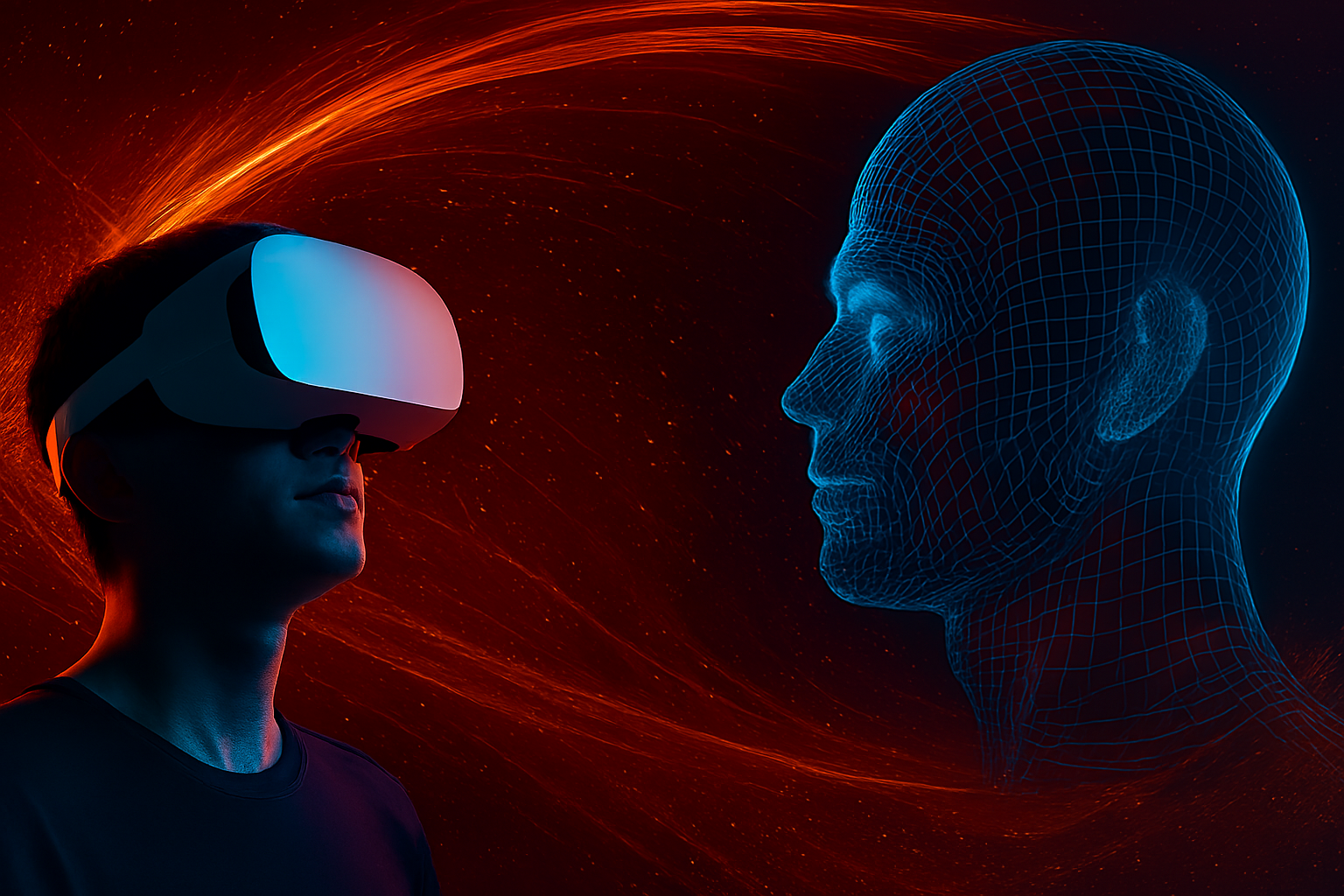
🔍 What Makes an Experience Truly Immersive?
Immersion is the sensation of being enveloped in an environment so completely that the outside world fades away. It’s not just about visuals—it’s about emotional resonance, sensory engagement, and narrative flow. According to World Experience Organization, immersive design hinges on:
- Multi-sensory stimulation (sight, sound, touch, even smell)
- Interactive elements that respond to user behavior
- Strong narrative or thematic cohesion
- Spatial design that guides movement and attention
🧠 The Psychology Behind Immersion
Immersive experiences tap into cognitive flow—a state where users lose track of time and self-awareness. This is achieved by balancing challenge and skill, minimizing distractions, and creating clear goals. Research from the University of Southern California’s Institute for Creative Technologies shows that immersion increases memory retention, emotional impact, and behavioral change.
Key psychological triggers include:
- Agency: Users feel in control of their experience
- Empathy: Emotional connection to characters or themes
- Presence: Feeling “inside” the environment
🎨 Design Principles for Lasting Immersion
Designing for immersion requires a blend of architecture, storytelling, and interaction design. Here’s how to structure your experience:
1. Define the Core Narrative
Every immersive experience should have a story—even abstract ones. Whether it’s a journey through climate change or a surreal dreamscape, the narrative gives users a reason to explore.
2. Map the Spatial Journey
Use environmental cues to guide users. Lighting, soundscapes, and physical layout should direct attention and movement. Avoid dead zones or confusing transitions.
3. Layer Sensory Stimuli
Combine audio, visual, and tactile elements. For example, a forest-themed room might include ambient bird sounds, earthy scents, and textured walls.
4. Build Interactivity
Let users affect the environment. Touch-sensitive walls, motion-triggered projections, or voice-activated elements deepen engagement.
5. Prototype and Test
Use rapid prototyping to test emotional and behavioral responses. Gather feedback and iterate. Tools like Unity, Unreal Engine, and TouchDesigner are ideal for digital prototyping.
📱 Technologies That Power Immersion
Immersive experiences increasingly rely on cutting-edge tech. Here are the most impactful tools:
- Virtual Reality (VR): Full immersion via headsets
- Augmented Reality (AR): Layered digital content on real-world views
- Projection Mapping: Transforms physical surfaces into dynamic canvases
- Spatial Audio: 3D sound that reacts to user movement
- Haptics: Touch feedback through gloves or surfaces
📚 Recommended Resources
- Experience Design: Technology for Interaction and Architecture
- Immersion: The Science of Storytelling and Engagement
- Designing Immersive Environments
🎥 Most Viewed YouTube Videos on Immersive Design
- Inside Meow Wolf: Immersive Art Experience
- How Immersive Experiences Are Changing Retail
- VR and Empathy: The Future of Storytelling
🔬 Scientific Research Links
- USC Institute for Creative Technologies
- Frontiers in Psychology: Immersion and Presence
- Psychological Science: Designing for Flow
💬 How This Topic Resonates on Social Media
“How Immersive Experiences Are Changing the Way We Connect”
On platforms like X.com and TikTok, immersive experiences are celebrated for their emotional impact and shareability. The hashtag #ImmersiveExperience has over 2 million views, with users posting walkthroughs of VR museums, interactive art shows, and sensory pop-ups. The dominant sentiment is excitement and curiosity, with creators emphasizing the “wow factor” and brands highlighting deeper engagement metrics.
🛠️ Actionable Steps for Creators
- Start with a strong emotional theme—what do you want users to feel?
- Sketch the user journey from entry to exit
- Choose 2–3 sensory layers to focus on
- Prototype with simple tools before scaling
- Test with real users and iterate based on feedback