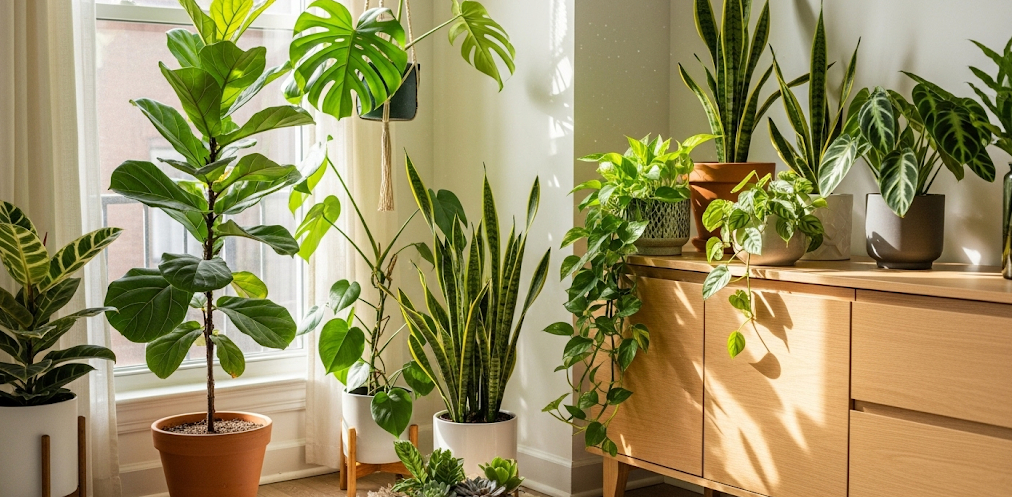
In a world increasingly dominated by concrete and digital screens, there’s a powerful, growing desire to reconnect with nature. This has led to a remarkable trend: the proliferation of indoor plants. More than just decorative objects, houseplants have become a vital part of our living spaces, bringing life, color, and a sense of calm into our homes. Yet, the journey from a simple houseplant enthusiast to a seasoned “plant parent” is often filled with trial, error, and a few withered leaves.
People are actively searching for the secrets to keeping their green companions alive and thriving. This isn’t a passing fad; it’s a timeless pursuit of creating a healthier, more beautiful, and more peaceful living environment. This guide is for anyone who has ever brought a plant home with the best intentions, only to watch it struggle. We’ll go beyond basic watering instructions and delve into the fundamental principles of plant care, offering a comprehensive, evergreen resource that will empower you to transform your home into a verdant sanctuary, one healthy plant at a time.
Understanding the Fundamentals: Light, Water, and Soil
Before you can give a plant what it needs, you must first understand the foundational elements of its survival. Think of these three factors as the holy trinity of plant care. Getting them right is the key to unlocking your plant’s potential.
1. Light: The Engine of Life. Light is the energy source for plants, powering photosynthesis. The amount of light a plant needs is critical and often the biggest mistake new plant owners make.
- Bright, Direct Light: This is intense, unfiltered sunlight, like what you’d find next to a south-facing window. Plants that love this, like cacti and succulents, are often native to deserts.
- Bright, Indirect Light: This is bright light that is filtered or diffused, such as from a window that doesn’t get direct sun all day, or a few feet away from a sunny window. Most tropical houseplants, including monsteras and snake plants, thrive in this type of light.
- Low Light: This is an area with very little natural light. While no plant can survive in total darkness, some, like the ZZ plant and cast iron plant, can tolerate and even grow slowly in these conditions.
The key is to observe your plant. If a plant that needs bright light starts to get “leggy” (stretching towards the light source) or its leaves lose color, it needs more sun. If a plant’s leaves are turning brown or bleached, it’s likely getting too much direct light.
2. Water: The Elixir of Growth. Overwatering is the most common killer of houseplants. It leads to root rot, a silent and deadly enemy.
- Know Your Plant’s Needs: Not all plants have the same watering schedule. Tropical plants generally prefer consistently moist soil, while succulents and cacti need to dry out completely between waterings.
- The “Finger Test”: Before you water, stick your finger about an inch or two into the soil. If it feels dry, it’s time to water. If it’s still moist, wait. This simple test is a foolproof way to prevent overwatering.
- Proper Drainage: Always ensure your pot has a drainage hole. This allows excess water to escape, preventing the roots from sitting in waterlogged soil. A plant that is consistently sitting in water will inevitably suffer.
3. Soil: The Foundation of Health. The right soil provides nutrients, anchors the roots, and allows for proper water and air circulation. Using the wrong soil can suffocate your plant.
- General Potting Mix: For most tropical houseplants, a standard indoor potting mix is a good starting point.
- Specialized Mixes: Plants like orchids, succulents, and cacti have specific needs. They require specialized mixes that are fast-draining and coarse, such as a cactus mix or an orchid bark mix.
- Don’t Over-Pot: When repotting, only move up one pot size. A plant in a pot that is too large will have its roots sit in soggy soil, increasing the risk of root rot.
Beyond the Basics: Advanced Care for Thriving Plants
Once you’ve mastered the basics, you can elevate your plant care with these next-level strategies.
Humidity: The Air They Breathe. Many popular houseplants, especially tropical ones, come from naturally humid environments. Indoor heating and air conditioning can dry out the air, leading to crispy leaf tips and unhappy plants. To increase humidity:
- Grouping Plants: Plants release moisture through their leaves, so grouping them together can create a localized humid microclimate.
- Pebble Trays: Place a tray of pebbles under your plant’s pot and fill it with water. The evaporating water will increase humidity around the plant.
- Humidifier: For serious plant collectors, a small room humidifier can make a significant difference, especially during dry winter months.
Fertilizing: Food for Growth. Plants use up the nutrients in their soil over time. Fertilizing provides the essential nutrients they need to grow and flourish.
- When to Fertilize: Fertilize your plants during their active growing season, which is typically spring and summer. Stop fertilizing in the fall and winter when most plants go dormant.
- Less is More: It’s always better to under-fertilize than to over-fertilize. Too much fertilizer can burn the roots. Follow the instructions on the package and consider using a half-strength dose.
Pest Management: The Unwanted Visitors. Pests are an inevitable part of being a plant parent. The key is early detection.
- Regular Inspections: Make a habit of regularly checking the undersides of your plant’s leaves and the soil for signs of pests like spider mites, mealybugs, and aphids.
- Quarantine: If you spot a pest, immediately isolate the infected plant to prevent the spread to others.
- Natural Remedies: For most common pests, a simple solution of diluted neem oil or insecticidal soap can be highly effective.
A Final Thought on Plant Parenting
Ultimately, plant care is a journey of observation and learning. Every plant is an individual with its own specific needs and personality. The key is to pay attention to what your plants are telling you. A drooping leaf, a change in color, or a lack of new growth are all signals. By listening to these signals and applying the timeless principles of light, water, and soil, you can build a deeper connection with the natural world and create a home that is vibrant, peaceful, and truly alive.