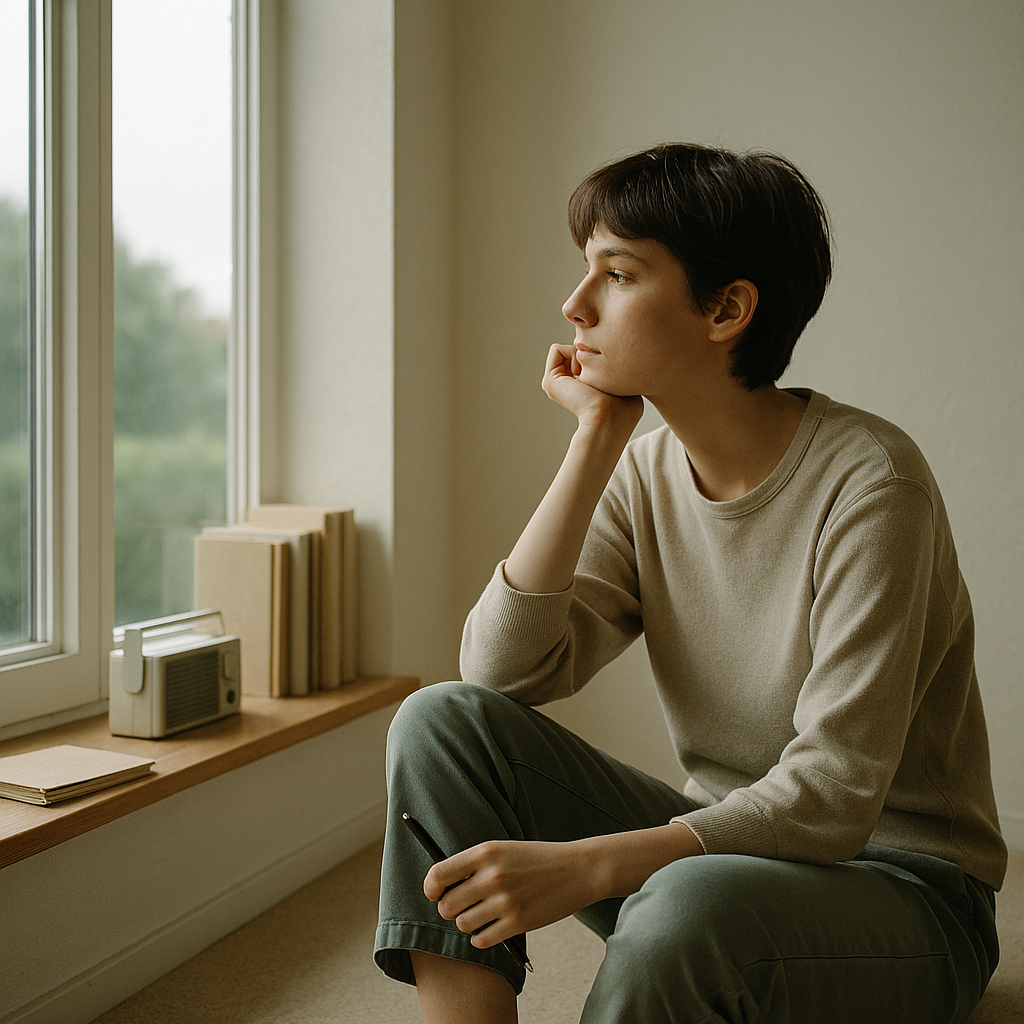
The Boredom Renaissance. In a culture obsessed with optimization, stimulation, and constant connectivity, boredom has long been treated as a problem to solve. But something curious is happening in the U.S.—a quiet rebellion against the dopamine drip of digital life. From “dopamine detox” TikToks to analog retreats in the woods, Americans are beginning to reclaim boredom not as a failure of engagement, but as a gateway to creativity, clarity, and even joy.
This isn’t just a wellness fad. It’s a cultural shift—and it’s reshaping how people think, create, and live.
📱 The Attention Economy Burnout
Let’s start with the obvious: Americans are tired.
- The average adult spends 7+ hours per day on screens.
- Gen Z checks their phones over 80 times daily.
- Notifications, ads, and algorithmic feeds have turned every idle moment into a monetized one.
In this landscape, boredom has become nearly impossible. Waiting in line? Scroll. Commercial break? Swipe. Even walking the dog is now a podcast opportunity.
But this hyper-engagement comes at a cost:
- Cognitive fatigue
- Reduced attention span
- Creative stagnation
And people are starting to notice.
🧘 The Rise of Intentional Boredom
Across the U.S., a growing number of creators, thinkers, and everyday folks are experimenting with boredom as a tool—not a trap.
🔹 Dopamine Detoxing
Popularized by YouTubers and wellness influencers, dopamine detoxing involves intentionally avoiding high-stimulation activities (social media, gaming, junk food) for 24–72 hours. The goal? Reset the brain’s reward system and rediscover joy in simple things.
🔹 Analog Retreats
From Vermont to Oregon, weekend retreats are popping up that ban phones, screens, and even clocks. Attendees journal, walk, stare at trees—and report feeling more creative than they have in months.
🔹 Boredom Challenges
On Reddit and TikTok, users are sharing “boredom challenges”:
- Sit in silence for 30 minutes
- No phone for 6 hours
- Watch paint dry (literally)
The results? A surprising surge in ideas, insights, and emotional clarity.
🎨 Boredom and the Creative Brain
Neuroscience backs this up. When the brain isn’t bombarded with input, it shifts into default mode network (DMN)—a state linked to:
- Daydreaming
- Memory consolidation
- Idea generation
In other words, boredom is fertile ground for creativity.
🧠 Famous Examples
- Steve Jobs credited long walks and “doing nothing” for his best ideas.
- Agatha Christie said she plotted her mysteries while washing dishes.
- Bill Gates takes “Think Weeks” in isolation to read and reflect.
These aren’t coincidences. They’re patterns.
🇺🇸 Why This Resonates in the U.S. Right Now
Several factors are converging to make boredom appealing again:
1. Post-Pandemic Reflection
After years of lockdowns and screen dependence, many Americans are reassessing their relationship with time, tech, and attention.
2. Mental Health Awareness
With anxiety and burnout at record highs, boredom offers a low-cost, low-effort form of mental reset.
3. Creativity Economy Boom
From Etsy shops to Substack newsletters, more Americans are monetizing creativity. And creativity needs space—something boredom provides.
🛠️ How to Practice Productive Boredom
If you’re curious about trying boredom as a tool, here are five simple ways to start:
1. Schedule “Empty Time”
Block 30–60 minutes a day with no agenda. No phone. No tasks. Just be.
2. Take a Silent Walk
Leave your headphones. Let your mind wander. Notice what thoughts arise.
3. Do a Mundane Task Slowly
Wash dishes. Fold laundry. Sweep. Let repetition lull your brain into idea mode.
4. Try the “No Input” Hour
No reading, no watching, no listening. Just sit, stare, or journal.
5. Track Your Ideas
Keep a notebook nearby. You’ll be surprised how many thoughts surface when you stop trying to think.
💬 Voices from the Boredom Movement
“I used to think boredom was a waste of time. Now I see it as a creative incubator.” — Marcus T., writer, Brooklyn
“My best business idea came while staring at a ceiling fan.” — Jenna L., entrepreneur, Denver
“Boredom taught me to listen to myself again.” — Caleb R., musician, Nashville
🔮 What Comes Next?
As boredom gains cultural traction, we may see:
- Schools incorporating “quiet time” for idea generation
- Workplaces offering “no-meeting” blocks for mental space
- Apps designed to reduce—not increase—stimulation
It’s a paradox: in a world built to eliminate boredom, Americans are rediscovering its power.
And they’re not just tolerating it—they’re seeking it.
📌 Final Thoughts
Boredom isn’t the enemy of productivity. It’s the soil where creativity grows.
In reclaiming boredom, Americans are reclaiming something deeper:
- The right to pause
- The freedom to think
- The joy of making something from nothing
So next time you feel that itch to scroll, swipe, or stream—try doing nothing instead.
You might be surprised what shows up.