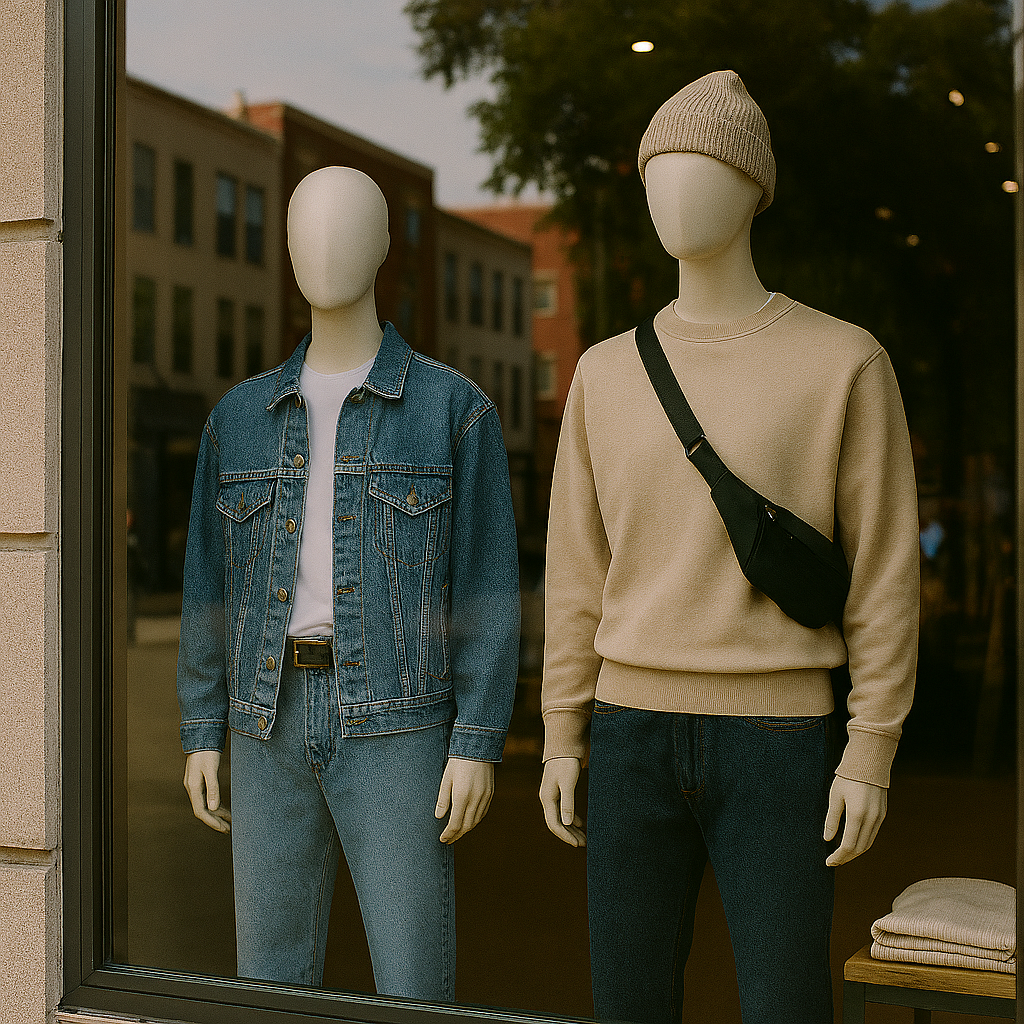
🔁 Déjà Vu in Denim and Dialogue
Walk into any American mall, scroll through TikTok, or flip on a streaming service—and you’ll likely feel it: a strange sense of déjà vu. The jeans look familiar. The music sounds recycled. The movie? A reboot of a reboot.
From fashion to film, food to furniture, American culture seems caught in a loop. But this isn’t laziness—it’s psychology, economics, and identity at play.
🧠 Why Familiar Feels Good
Humans are wired to seek patterns. Familiarity reduces cognitive load, lowers anxiety, and creates a sense of safety. In a country as fast-paced and fragmented as the U.S., repetition offers emotional relief.
🔹 The Comfort Principle
- Nostalgia sells. Brands know that invoking the past triggers dopamine. That’s why every cereal box looks like it did in 1995.
- Predictability soothes. In uncertain times, Americans gravitate toward what they know. Hence the return of Y2K fashion during a post-pandemic economy.
🎬 Hollywood’s Formula Fetish
American entertainment is a masterclass in repetition.
- Superhero sequels
- Sitcom reboots
- Biopics of the same five celebrities
Why? Because it works.
“Studios don’t chase originality. They chase ROI,” says media analyst Carla M. “And repetition is reliable.”
🔹 The Risk-Averse Industry
- New ideas = financial risk
- Familiar IP = guaranteed audience
So instead of fresh stories, we get recycled plots with new actors and better CGI.
👕 Fashion’s 20-Year Cycle
Ever notice how trends from two decades ago suddenly feel fresh?
- 2000s low-rise jeans in 2020s
- 80s neon in the 2000s
- 60s mod in the 80s
This isn’t coincidence—it’s a documented cycle.
🔹 Why 20 Years?
- Long enough for a generation to forget
- Short enough for designers to revive
- Perfect timing for nostalgia to peak
Fashion isn’t just fabric—it’s memory.
📱 TikTok and the Speed of Repetition
Social media has accelerated the loop.
- Micro-trends rise and fall in weeks
- Viral sounds repeat endlessly
- “Core” aesthetics (cottagecore, normcore, etc.) recycle faster than ever
TikTok doesn’t just reflect repetition—it amplifies it.
“I saw the same outfit 12 times in one scroll,” says 19-year-old Ava from Ohio. “It’s like everyone’s copying everyone.”
💰 Capitalism Loves the Loop
Repetition isn’t just psychological—it’s profitable.
- Proven products = lower marketing costs
- Familiar designs = faster production
- Nostalgic branding = higher conversion rates
From pumpkin spice lattes to retro sneakers, the loop is a business model.
🧬 Identity Through Imitation
In a country built on reinvention, Americans often define themselves by what they consume.
- Wearing vintage = signaling taste
- Watching reboots = sharing cultural memory
- Repeating trends = belonging to a tribe
Repetition becomes a language of identity.
🔄 The Loop Isn’t Always Bad
Let’s be clear: repetition isn’t inherently negative.
- It creates shared experiences
- It preserves cultural memory
- It allows refinement and mastery
The problem isn’t the loop—it’s when the loop replaces innovation.
🧪 When Repetition Blocks Creativity
Too much repetition can lead to:
- Cultural stagnation
- Creative burnout
- Audience fatigue
Americans crave novelty—but often settle for familiarity.
“I want something new,” says 32-year-old musician Caleb R. “But I also want it to feel like something I already love.”
🔍 Breaking the Cycle (Without Breaking the Comfort)
So how can American culture evolve without losing its emotional anchors?
1. Blend Old and New
- Retro aesthetics + modern values
- Familiar formats + fresh voices
- Nostalgic visuals + innovative storytelling
2. Elevate Niche Creativity
- Support indie creators
- Explore global influences
- Reward originality in mainstream spaces
3. Question the Loop
- Why do I like this?
- Is it comfort or curiosity?
- What am I missing by repeating?
🗣️ Voices from the Loop
“I wear 90s clothes because they remind me of my mom. But I also want to remix them my way.” — Jenna L., 28, New York
“I love superhero movies. But I’m tired of watching the same origin story.” — Marcus T., 35, Texas
“Repetition is fine. But give me a twist.” — Emily R., 22, California
📌 Final Thoughts
Americans don’t repeat trends because they lack imagination. They do it because repetition offers:
- Comfort
- Connection
- Control
But within the loop lies an opportunity—to remix, reimagine, and reinvent.
So next time you see a familiar trend, ask yourself: Is this nostalgia—or is it a chance to create something new?