🔍 What Is Dopamine and Why Does It Matter?
Dopamine is a chemical messenger in the brain that plays a central role in how we experience pleasure, motivation, and learning. It’s released when we anticipate rewards, achieve goals, or encounter novelty. But it’s also highly sensitive to overstimulation. When dopamine spikes too frequently or too intensely, the brain adapts by reducing receptor sensitivity—leading to burnout, apathy, or compulsive behavior.
📉 The Cost of Dopamine Spikes
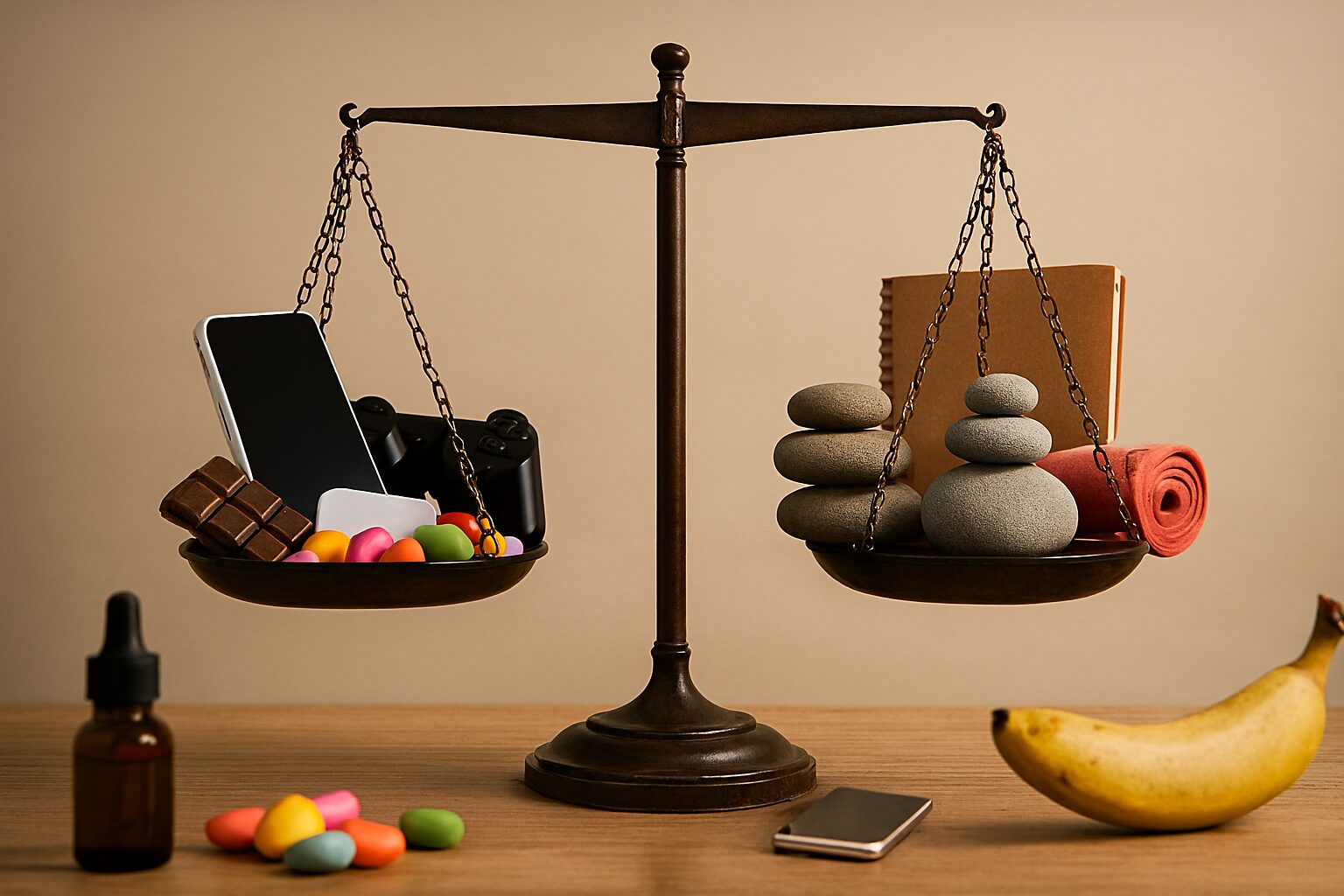
Modern life is full of artificial dopamine triggers:
- 📱 Social media likes and notifications
- 🍬 Processed sugar and fast food
- 🎮 Video games and binge-worthy content
- 💼 Productivity apps and gamified tasks
These triggers create short-term highs followed by crashes. Over time, this cycle can lead to:
- Increased stress and anxiety
- Reduced motivation for long-term goals
- Difficulty focusing or feeling satisfied
- Dependence on external stimulation
🧭 The Goal: Dopamine Stability, Not Elimination
We don’t want to eliminate dopamine—we want to regulate it. A balanced dopamine system supports:
- Steady motivation
- Emotional resilience
- Improved focus and clarity
- Greater satisfaction from simple experiences
🛠️ How to Rebalance Dopamine Naturally
1. Practice Dopamine Fasting (Strategically)
Dopamine fasting isn’t about deprivation—it’s about intentional breaks from overstimulation. Try:
- One day per week without screens or processed food
- Morning routines without phone use
- Silent walks or journaling without music or podcasts
2. Prioritize Deep Work Over Shallow Tasks
Shallow tasks (checking email, scrolling feeds) offer quick dopamine hits. Deep work (writing, designing, problem-solving) builds long-term satisfaction. Structure your day to protect deep work blocks:
- Use time-blocking to schedule focused sessions
- Turn off notifications during creative work
- Celebrate progress, not just completion
3. Build a Low-Dopamine Morning Routine
Start your day with calm, low-stimulation activities:
- 🌅 Sunlight exposure (regulates circadian rhythm)
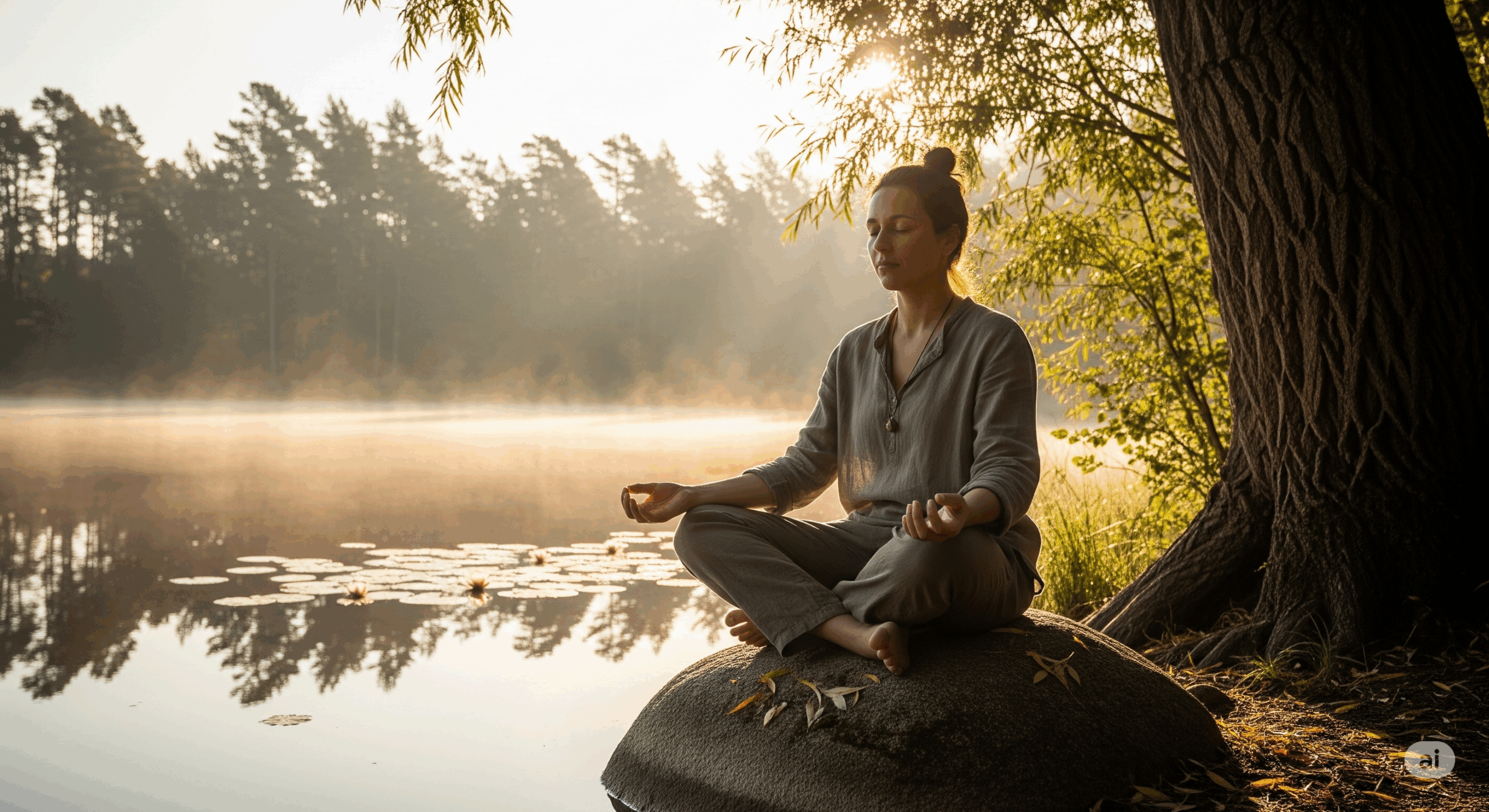
- 🧘 Breathwork or meditation (reduces cortisol)
- 📓 Journaling (clarifies intention)
- 🚶 Light movement (activates dopamine gently)
4. Eat for Dopamine Stability
Certain nutrients support dopamine production and receptor sensitivity:
| Nutrient | Function | Sources |
|---|---|---|
| Tyrosine | Dopamine precursor | Eggs, almonds, chicken |
| Magnesium | Regulates dopamine receptors | Spinach, pumpkin seeds |
| Omega-3 | Supports brain health | Salmon, flaxseed |
| Vitamin B6 | Helps synthesize dopamine | Bananas, chickpeas |
5. Use Movement as a Dopamine Regulator
Exercise increases dopamine—but in a sustainable way. The key is consistency:
- 🚴 20–30 minutes of cardio 3–5 times per week
- 🧘 Gentle movement like yoga or tai chi
- 🏞️ Outdoor walks for natural stimulation
6. Sleep Like Your Brain Depends on It (It Does)
Dopamine regulation is tightly linked to sleep quality. Tips:
- 📵 No screens 1 hour before bed
- 🌙 Keep a consistent sleep schedule
- 🛏️ Use blackout curtains and white noise
- 📖 Read fiction to wind down
7. Replace Dopamine Triggers with Meaningful Habits
Instead of scrolling, try:
- 📚 Reading long-form articles or books
- 🎨 Creative hobbies like drawing or music
- 👥 Deep conversations with friends
- 🌱 Gardening or tactile crafts
📚 Research and Resources
- Study: Dopamine and Motivation – NCBI
- YouTube: Dr. Andrew Huberman on Dopamine Regulation
- Book: “Dopamine Nation” by Dr. Anna Lembke
- Study: Dopamine and Stress Resilience – Frontiers in Psychiatry
💬 How This Topic Resonates on Social Media
Across platforms, dopamine regulation is gaining traction. On TikTok, creators share “dopamine detox” routines and minimalist habits. On Reddit, users document their progress with screen-free mornings and journaling. On Instagram, wellness influencers promote low-stimulation rituals and nature immersion. The dominant sentiment: people are tired of chasing highs—they want peace, clarity, and sustainable motivation.
✅ What to Do Next
- Audit your daily dopamine triggers—what spikes you?
- Design a low-dopamine morning routine
- Replace one high-stimulation habit with a meaningful alternative
- Schedule deep work blocks and protect them
- Track your mood and motivation weekly