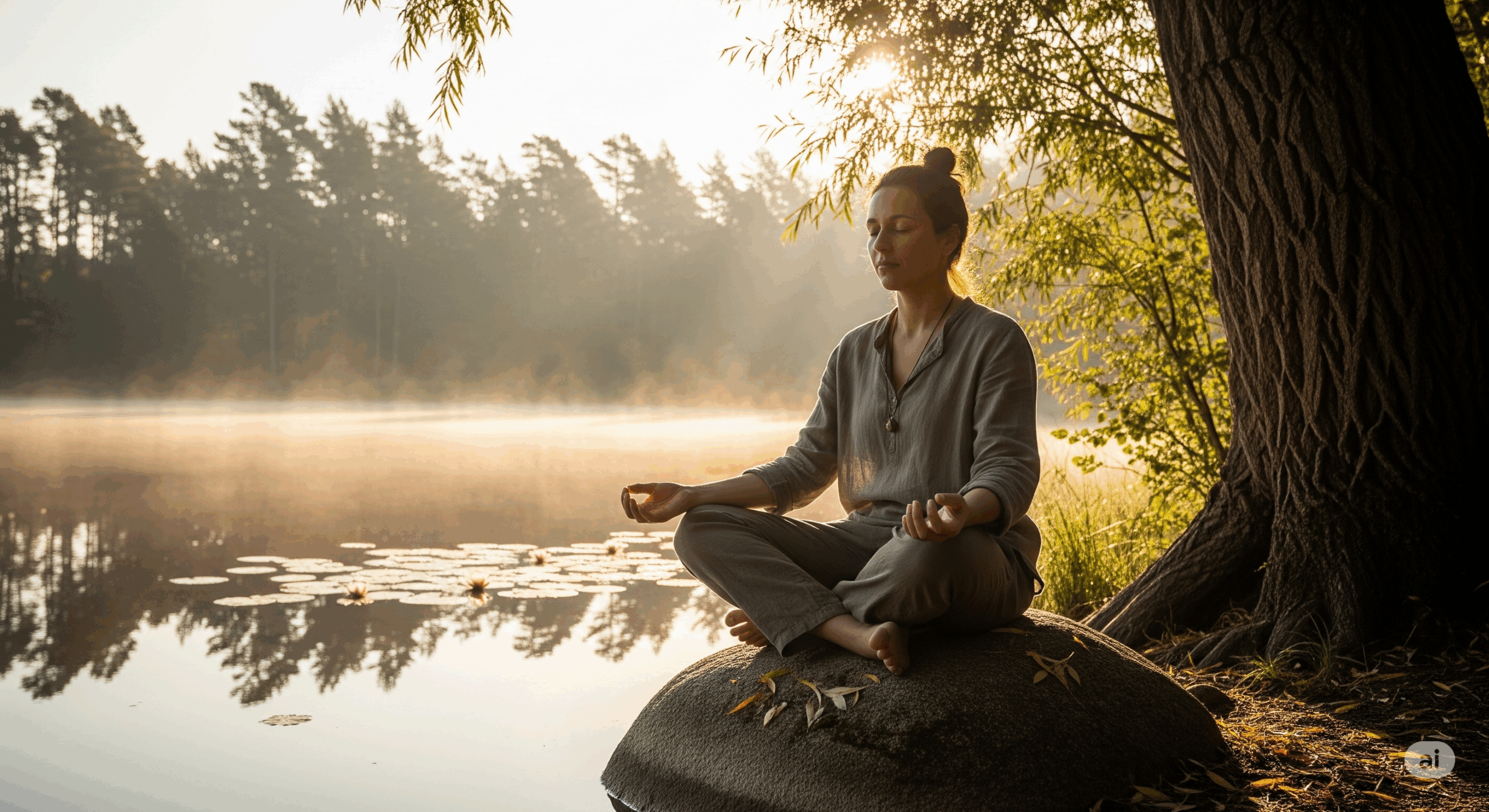
In our perpetually connected and increasingly noisy world, the quest for silence has become a deeply felt, often unspoken, trend. It’s not a passing fad, but a fundamental human need to find a space for clarity, rest, and peace. We’re constantly bombarded by notifications, endless news cycles, and the hum of daily life. The pressure to “be on” is relentless, making a true break from the digital and physical noise a precious commodity. This isn’t about escaping reality; it’s about intentionally seeking moments of quiet to recharge your mind, body, and spirit.
The search for tranquility manifests in many ways, from the rise of digital detoxes and silent retreats to the simple act of putting your phone on “do not disturb.” People are actively looking for a reset button, a way to reclaim their focus and mental energy. The trend isn’t just about turning off your phone—it’s about a deeper desire to find quietude in a world that seems designed to eliminate it. This guide is for anyone who has ever felt overwhelmed by the constant clamor and is ready to discover how to build more serenity into their life, no matter where they are.
Understanding the Modern Noise Problem
Before we can find quiet, we need to understand what we’re up against. Modern noise isn’t just the sound of a passing car or a loud conversation. It’s the incessant ping of a new email, the visual noise of a cluttered inbox, the mental chatter from social media, and the anxiety of feeling like you’re missing out. This constant stream of information and stimulation is a form of cognitive load, exhausting our brains and making it difficult to concentrate, think creatively, or simply relax.
This noise pollution has real consequences. Studies have linked chronic exposure to noise with increased stress levels, higher blood pressure, and even impaired cognitive function. It affects our sleep, our relationships, and our overall well-being. The noise of a busy city street is one thing, but the internal noise of a mind that never gets a moment of rest is often far more damaging. By acknowledging this problem, we can begin to take intentional steps to counteract it. The goal is not to eliminate all noise, which is impossible, but to create protected, sacred spaces for silence.
Building a Personal Sanctuary at Home
Your home should be your primary refuge from the world. Start by designating a specific space, no matter how small, as your quiet zone. It could be a comfortable chair in a corner of your living room, a windowsill with a view, or even just your bed. The key is to make this space a no-phone, no-screen zone. This isn’t a place for multitasking; it’s a place for being.
Enhance your sanctuary with elements that promote calm. Use natural light whenever possible, or if it’s evening, opt for soft, ambient lighting instead of harsh overhead lamps. Incorporate sensory elements that soothe you—the feel of a soft blanket, the scent of lavender or sandalwood from an essential oil diffuser, or the gentle sound of a small indoor fountain.
Consider the role of color. Cool, calming colors like blues, greens, and soft grays are known to have a calming effect. Decluttering is also crucial. A cluttered space often leads to a cluttered mind. Taking the time to organize your home, even in small ways, can dramatically reduce visual noise and promote a sense of order and peace. Your home should be a place where you can take a deep breath and feel your shoulders drop.
Finding Quiet in the Great Outdoors
Nature is one of the most powerful antidotes to the modern noise problem. Spending time in natural settings can lower stress hormones and improve your mood. You don’t have to live next to a national park to benefit. A local park, a community garden, or even a quiet side street with tree-lined sidewalks can provide a much-needed break.
When you’re outdoors, practice mindful observation. Instead of listening to music or a podcast, listen to the sounds around you: the chirping of birds, the rustle of leaves, the distant sound of wind. Pay attention to the textures and colors of the world—the bark of a tree, the pattern of a flower, the movement of clouds. This practice anchors you in the present moment and helps to silence the internal chatter.
If you have the opportunity, seek out places known for their quiet. Remote hiking trails, botanical gardens, or even a quiet beach during the off-season can offer a profound sense of solitude. The goal is to consciously seek out places where man-made noise is minimal and the sounds of the natural world can take over.
Embracing the Practice of Digital Silence
One of the most effective ways to find quiet is to intentionally disconnect. A digital detox can be a powerful tool, but it doesn’t have to be a multi-day ordeal. Start with small, manageable steps. Designate specific times of the day or week as tech-free. This could be the first hour of your morning, the last hour of your night, or even your entire Sunday afternoon.
Create a “digital sundown” ritual where you put away all screens an hour or two before bed. This not only promotes a more restful sleep but also gives your mind a chance to wind down without being stimulated by bright screens and constant information. Use your phone’s built-in features to help. Activate “do not disturb” or “focus” modes to silence notifications during these designated quiet periods.
The real benefit of digital silence isn’t just the absence of pings and alerts; it’s the space it creates for other things. When you’re not scrolling, you have time for hobbies that require your full attention, like reading a physical book, journaling, drawing, or playing a musical instrument. You can also simply sit with your thoughts, allowing your mind to process and reflect without interruption.
The Power of a Quiet Mind
Ultimately, the search for external quiet is often a path to cultivating internal quiet. The constant noise of the world is a reflection of the constant noise in our heads—the to-do lists, the anxieties, the regrets, and the future worries. Practices like meditation and mindfulness are powerful tools for taming this internal chaos.
Meditation doesn’t have to be a complicated, hour-long practice. It can be as simple as sitting still for five minutes, focusing on your breath. When your mind wanders, gently bring your attention back to the sensation of your breath moving in and out of your body. This simple act trains your mind to be less reactive and more present.
Another effective technique is journaling. Writing down your thoughts and feelings can be a way to offload the mental clutter, giving you a clearer perspective. It’s a silent conversation with yourself, helping you sort through the noise and find a sense of inner calm.
By intentionally seeking and creating moments of quiet, we are not just escaping the world; we are learning to live more intentionally within it. We are building a resilience against the constant demands on our attention and creating a foundation for a more peaceful, focused, and meaningful life. The search for quiet is a journey, and every small step you take brings you closer to a profound sense of inner peace.