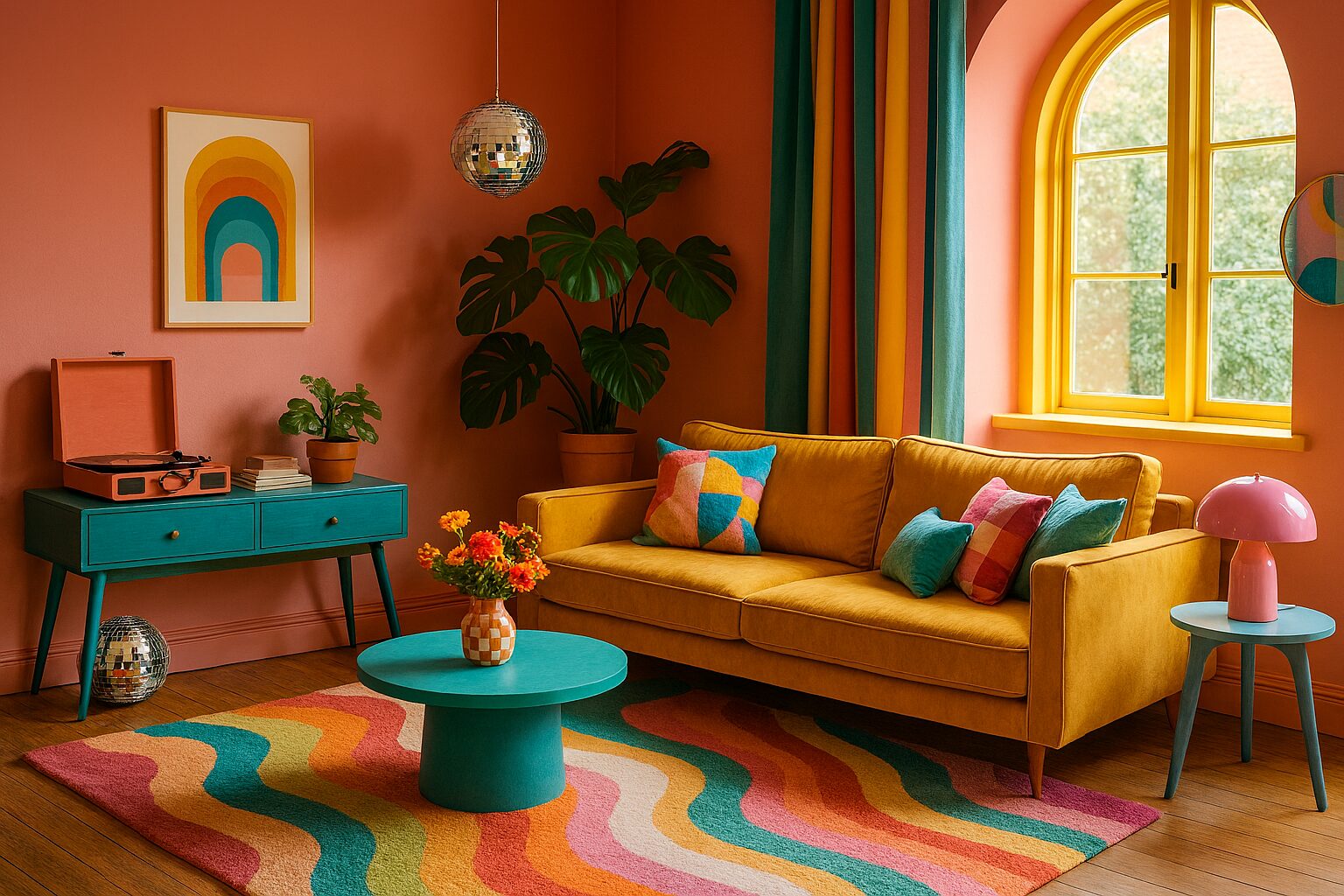
Forget minimalism. Across the U.S., a bold new interior design movement is taking over homes, TikTok feeds, and even mental health conversations. It’s called dopamine décor—and it’s not just about aesthetics. This vibrant, emotionally charged style taps into psychology, memory, and sensory stimulation to create spaces that feel as good as they look. Whether you’re decorating a studio apartment or a suburban family home, this guide will show you how to embrace the dopamine décor trend in a way that’s timeless, personal, and deeply satisfying.
What Is Dopamine Décor? Dopamine décor is a design philosophy centered around joy, stimulation, and emotional resonance. Unlike traditional styles that prioritize symmetry or neutrality, dopamine décor encourages:
- 🎨 Bold colors and patterns
- 🧸 Nostalgic or sentimental objects
- 🪩 Eclectic furniture and textures
- 🌈 Sensory-rich environments
The goal? To trigger dopamine—the “feel-good” neurotransmitter—through visual and tactile experiences in your living space.
Why It’s Trending Now Several cultural shifts have propelled dopamine décor into the spotlight:
- Post-pandemic emotional recovery: Americans are seeking comfort and joy at home.
- TikTok and Instagram aesthetics: Maximalism and color therapy are dominating feeds.
- Mental health awareness: Design is increasingly seen as a tool for emotional regulation.
- Gen Z and Millennial influence: Younger generations are rejecting sterile minimalism in favor of expressive, personalized spaces.
The Psychology Behind It Colors, textures, and objects can influence mood and behavior. Dopamine décor leverages this by:
- Using warm tones (like coral, mustard, and fuchsia) to energize and uplift.
- Incorporating soft textures (velvet, faux fur, knits) to soothe and comfort.
- Displaying personal memorabilia to evoke positive memories and identity.
- Creating multi-sensory zones with lighting, scent, and sound for immersive relaxation.
How to Create a Dopamine-Rich Space Here’s a step-by-step guide to transforming your home:
- Start with Color Psychology
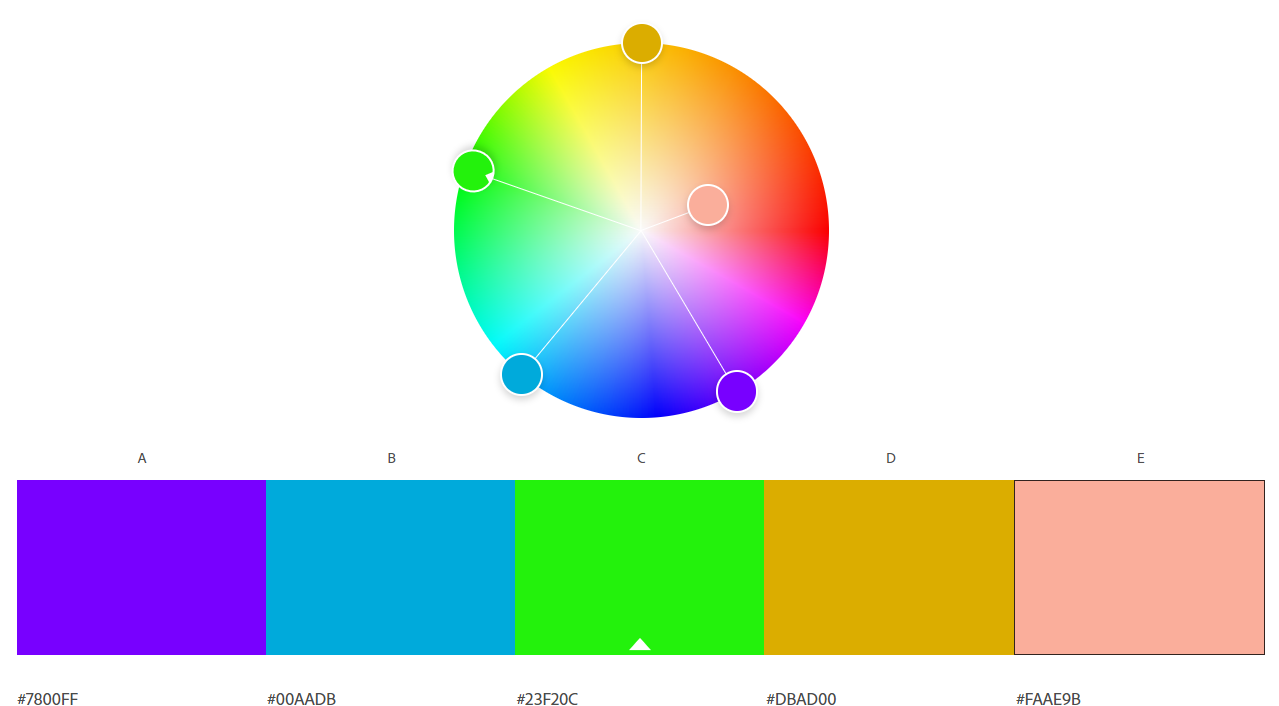
- Choose a palette that excites you.
- Don’t be afraid to mix unexpected hues—turquoise with burnt orange, lavender with lime.
- Use paint, wallpaper, or textiles to introduce color.
- Layer Textures and Materials
- Combine smooth, rough, soft, and shiny surfaces.
- Think velvet cushions, shag rugs, metallic lamps, and rattan chairs.
- Curate Sentimental Objects
- Display childhood toys, travel souvenirs, vintage finds, or family photos.
- These items should spark joy and reflect your story.
- Create Zones of Sensory Delight
- Reading nook with ambient lighting and calming scents.
- Music corner with vinyl records and plush seating.
- Kitchen with colorful utensils and open shelving for visual stimulation.
- Use Lighting Strategically
- Layer natural light with warm-toned bulbs, LED strips, and statement fixtures.
- Consider color-changing lights for mood shifts.
- Incorporate Movement and Play
- Swing chairs, disco balls, kinetic art, or interactive installations.
- These elements add whimsy and dynamism.
Common Mistakes to Avoid
- Overcrowding: Dopamine décor is maximalist, but not cluttered.
- Copy-pasting trends: Your space should reflect your personality, not just Pinterest boards.
- Ignoring functionality: Joyful design must still support daily life.
Dopamine Décor in Different Rooms
- Living Room: Bold gallery wall, colorful throw pillows, layered rugs.
- Bedroom: Patterned bedding, nostalgic posters, ambient lighting.
- Kitchen: Open shelves with colorful dishware, retro appliances.
- Bathroom: Funky shower curtain, scented candles, playful tiles.
- Home Office: Inspiring quotes, vibrant desk accessories, mood-boosting wall art.
Who Is Embracing This Trend?
- Gen Z & Millennials: Leading the charge on TikTok and Instagram.
- Neurodivergent individuals: Finding comfort in sensory-rich environments.
- Design influencers: Shifting from beige minimalism to expressive maximalism.
- Mental health advocates: Promoting home design as a wellness tool.
Dopamine Décor vs. Other Styles
| Style | Key Traits | Emotional Impact |
|---|---|---|
| Minimalism | Neutral colors, clean lines | Calm, but sometimes cold |
| Scandinavian | Soft tones, natural materials | Cozy and serene |
| Industrial | Raw textures, muted palette | Edgy, but impersonal |
| Dopamine Décor | Bold colors, eclectic textures | Joyful, energizing |
Is It Just a Fad? No. While the term “dopamine décor” may be new, the principles behind it—emotional design, sensory stimulation, personal expression—are timeless. This style adapts easily to changing tastes and can evolve with you over time.
Tips for Longevity
- Invest in quality pieces that bring lasting joy.
- Rotate décor seasonally to keep things fresh.
- Keep a “dopamine drawer” of items that make you smile—photos, trinkets, fabrics.
Final Thoughts Dopamine décor isn’t just about making your home look good—it’s about making it feel good. In a world that often feels chaotic, your space can be a sanctuary of joy, creativity, and emotional nourishment. Whether you’re a design novice or a seasoned stylist, embracing this trend means choosing happiness—one color, texture, and memory at a time.